

The Day My Mother Told Me to Sing Again
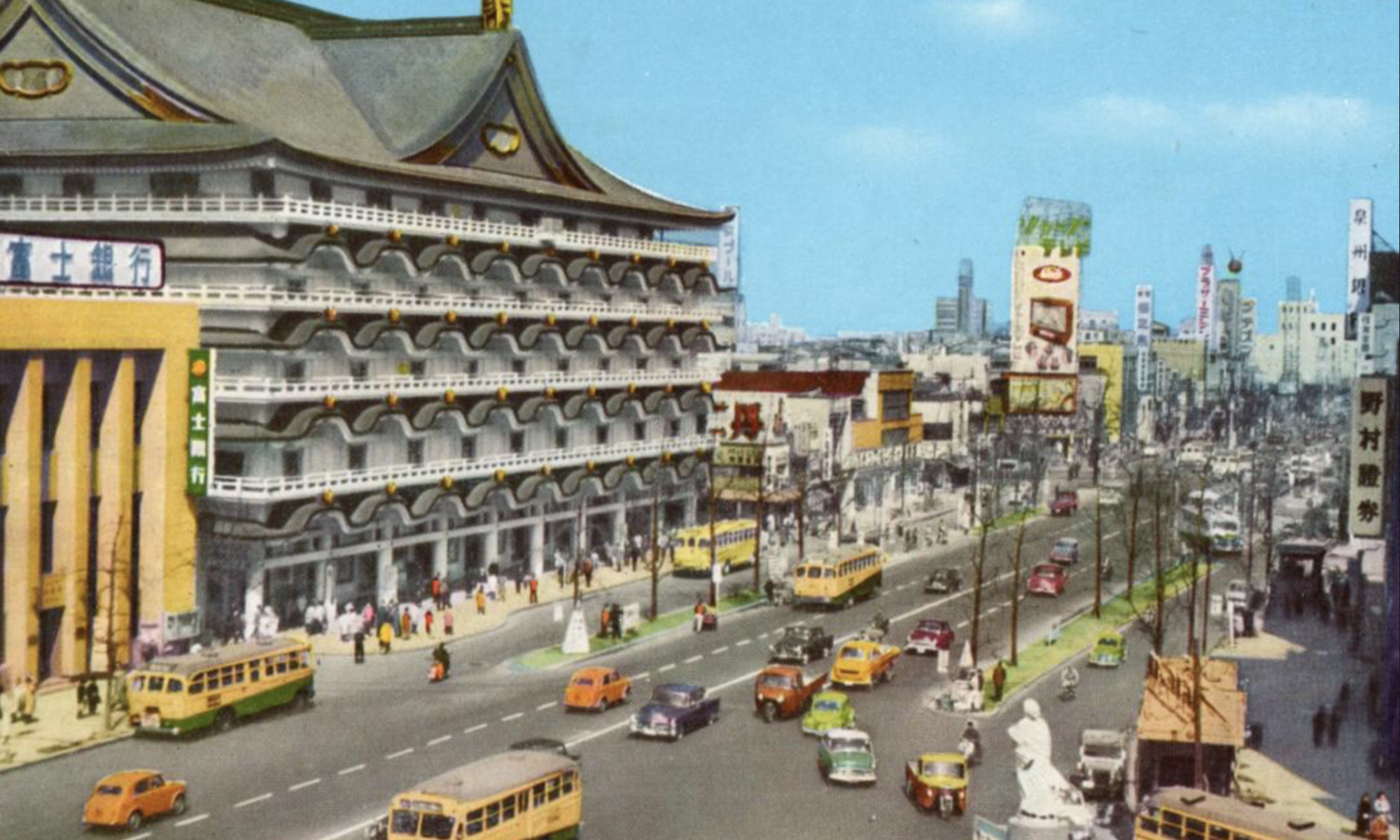
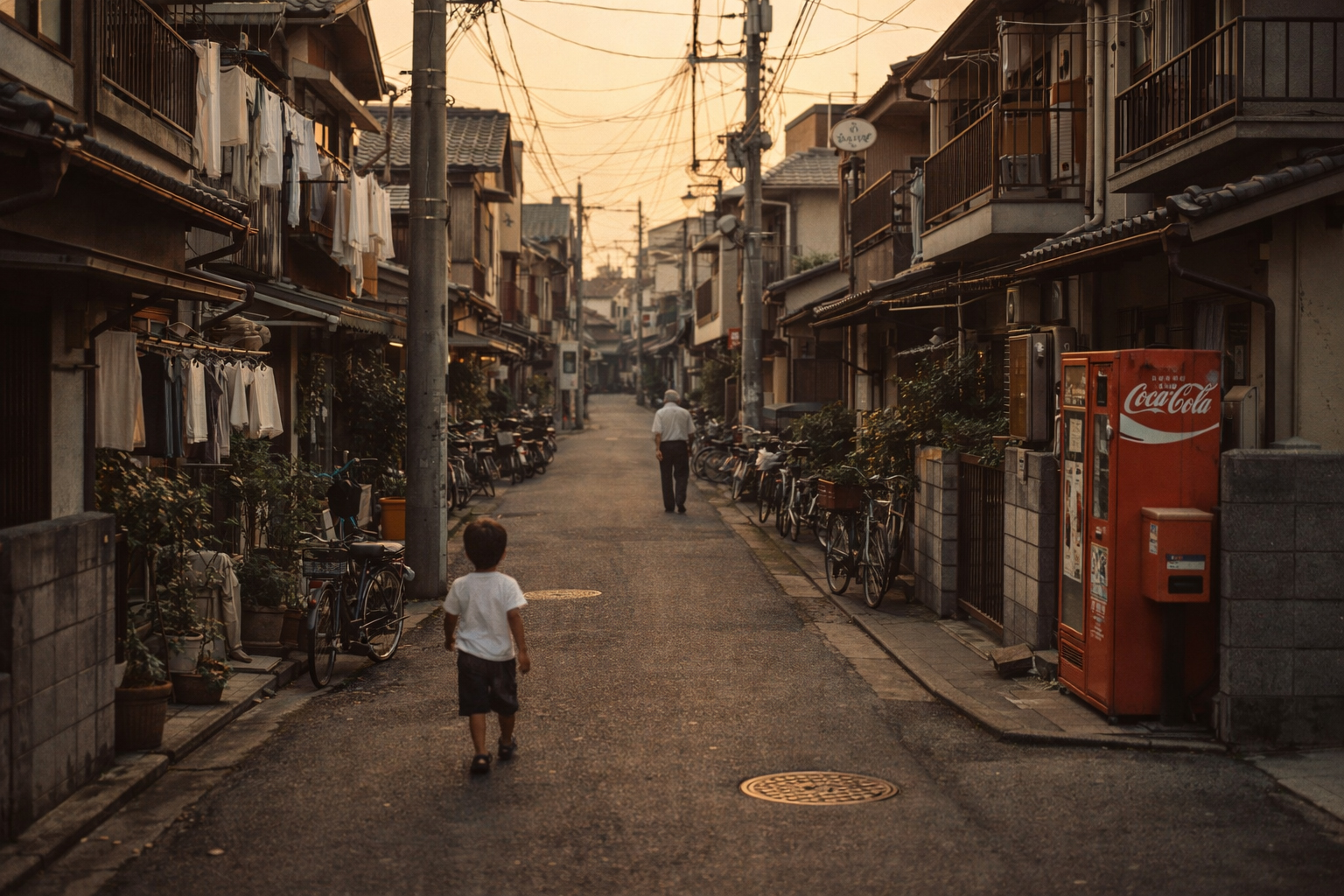
Around 1962–1965, Coca-Cola vending machines began appearing across Japan. Whenever I see one from that era, I am taken back to one unforgettable day from my childhood.
I was about five years old.
My mother worked at a large factory that manufactured plastic tableware and household products.
One year, the factory held its annual cultural festival.
As part of the celebration, there was a singing contest on a large stage set before nearly two thousand factory workers.
I was still in kindergarten.
Standing beside the stage, my mother watched me with a gentle smile.
As the live band began to play, I started singing “Furusato” (My Hometown).
“I chased rabbits over the hills…”
It was a children’s song.
Most of the performers that day were singing popular songs.
Perhaps my choice felt out of place.
Suddenly, a man with long hair, apparently drunk, shouted from the back of the audience.
“Get off the stage!”
For a brief moment, time seemed to stop.
Then something happened that I have never forgotten.
My mother rushed out from behind the stage.
Standing at the edge of the platform, without a microphone, she shouted across the entire hall with a voice so powerful that everyone fell silent.
“Say that again!
Come up here and say it to me!”
The music stopped.
The audience became completely silent.
The man lowered his head in embarrassment as the people around him tried to calm him down.
Then my mother turned toward me.
She bowed politely to the musicians and quietly said,
“Masaki…
Sing it again.”
The band began once more.
I sang “Furusato” from the beginning until the very end.
When I finished, the audience burst into warm applause.
As a participation prize, I received a double-walled plastic mug made at the very factory where my mother worked.
It was pale blue on the outside and white on the inside.
I was incredibly proud of that little cup.
Even today, I remember every detail of that afternoon as vividly as if it were a scene from a film.
After that day, “Furusato” became the song my mother, my younger sister, and I always sang together.
Years later, after my parents had long since divorced, I visited my father’s home.
He had built a new life with his new family.
That day, he picked up a harmonica and quietly played…
“Furusato.”
Then, about fifteen years ago, at my father’s funeral, the same melody filled the room once again.
For reasons I still cannot fully explain, I found myself overwhelmed with tears.
Perhaps it was because that song had quietly accompanied every important chapter of my life.
Looking back now, I realize that my journey as a singer did not begin on that stage.
It began with a mother’s courage,
and four simple words that have stayed with me ever since.
“Masaki… Sing it again.”